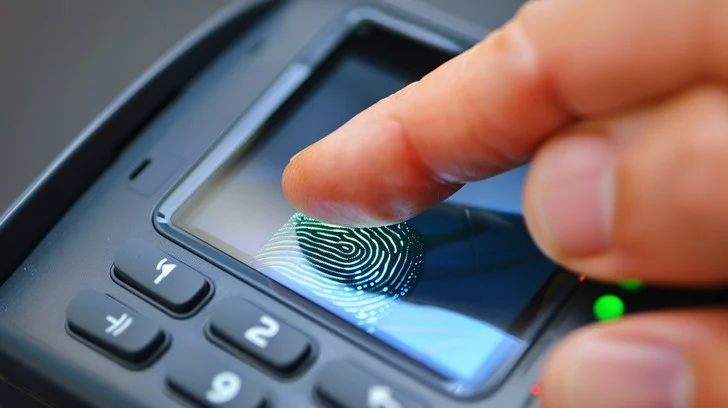
Biometric authentication—using things like fingerprints, facial recognition, or voice to access your devices—sounds like a dream come true. It’s convenient, feels futuristic, and takes the hassle out of remembering passwords. But when you look closer, there are some serious issues that need addressing.
Security Risks: Can You Really Trust Biometrics?
What happens if your biometric data gets stolen? Unlike a password, you can’t just reset your fingerprint or change your face. Hackers have already figured out how to spoof these systems using things like fake fingerprints or photos. While biometrics might feel more secure than a password, they’re not foolproof. If your biometric data gets leaked, the consequences can last a lifetime.
Privacy Concerns: Who’s Watching You?
To make biometrics work, companies and governments collect incredibly personal data about you. But what happens to it? Are they keeping it safe, or are they using it for things you didn’t agree to, like tracking you? And let’s be honest—sometimes you don’t have a choice. Try refusing a facial scan at the airport or in your workplace without facing consequences. This lack of control over your own data is a big red flag.
Legal Gaps: Who’s Protecting You?
The rules around biometric data are all over the place. In some countries, there are strict laws to protect your information; in others, companies can do pretty much whatever they want. This patchwork of laws makes it hard to know if your data is being handled responsibly, especially when global companies are involved.
What Needs to Change?
Biometric authentication has potential, but it needs some serious improvements. We need better technology that’s harder to hack, stricter privacy laws to protect our data, and more transparency from companies about how they’re using our information. Until then, biometrics are a bit like playing with fire—cool and useful, but risky if you’re not careful.
Biometrics could be a huge win for security, but only if we fix the cracks in the system. It’s time to focus on making them safer, fairer, and more trustworthy for everyone.